
Identifying Key Symptoms and Solutions for your Foot Issues
The human foot is a highly intricate structure, composed of numerous bones, joints, tendons, and ligaments. These elements work together to support your entire body weight during various activities such as standing, walking, and running.
Despite its complexity, the foot is susceptible to structural problems that can arise from genetic factors, injuries, or conditions that develop over time.
Understanding the common structural problems of the foot is essential because they can lead to discomfort or pain and affect daily activities. These issues can vary in severity and impact, and identifying them early is crucial to maintaining your mobility and quality of life.
By recognizing the signs, you can seek appropriate treatment and prevent further complications.
1) Bunions
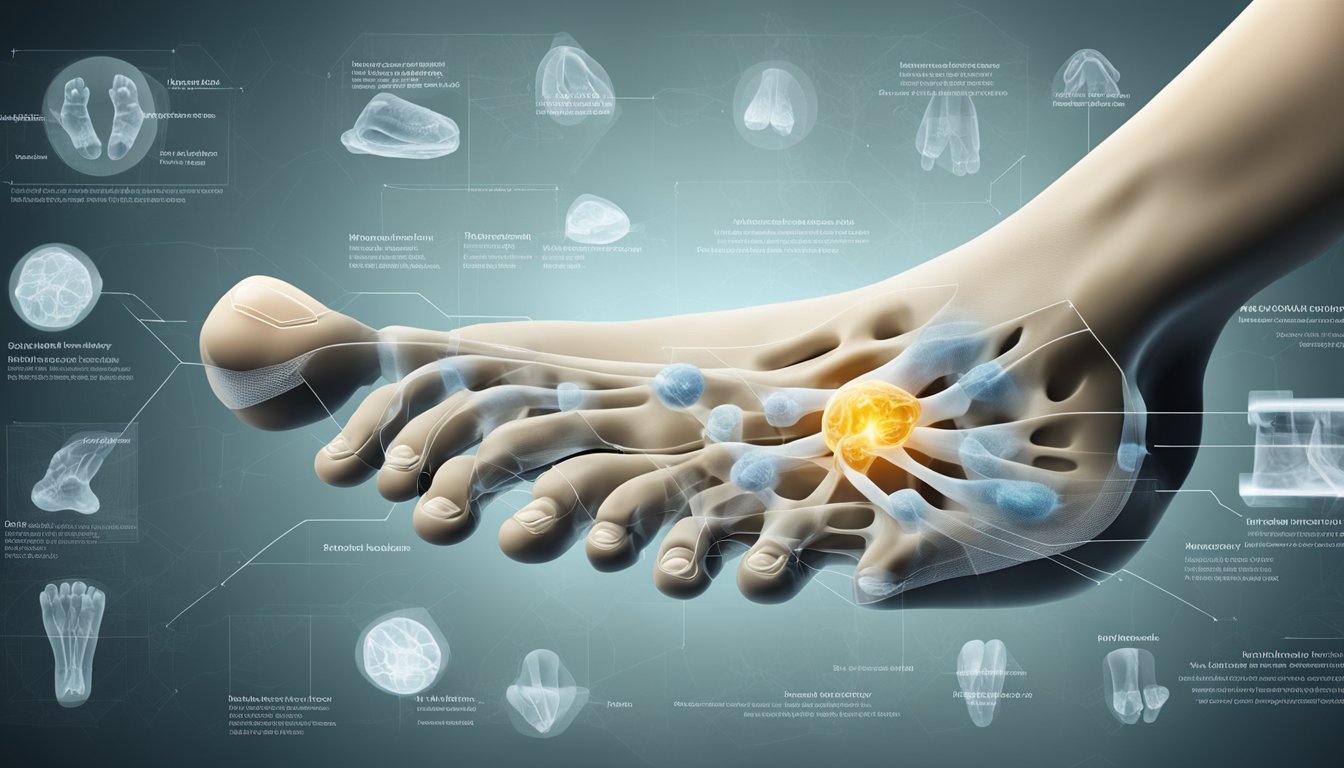
Bunions are a bony bump that forms at the base of your big toe. They occur when some of the bones in your foot move out of place. This causes the tip of your big toe to get pulled toward the smaller toes and forces the joint at the base of the big toe to stick out.
Several factors contribute to the formation of bunions. Genetics can play a role, meaning if your family members have bunions, you might be more prone to developing them. Certain foot shapes, like flat feet or overly flexible ligaments, can lead to uneven stress on the feet, contributing to bunion formation.
Footwear choices also have a significant impact. Tight, narrow shoes or high heels can cause or worsen bunions by putting excessive pressure on the toes. Age is another factor, with bunions being more common in older adults, while children with certain conditions can also develop them. More females than males tend to develop bunions due to factors like foot anatomy and the design of some types of shoes.
Bunions can cause pain, swelling, and redness around the affected joint. This can make it difficult to walk or wear certain shoes comfortably. In some cases, non-surgical treatments such as changing footwear or using pads can relieve symptoms.
2) Plantar Fasciitis
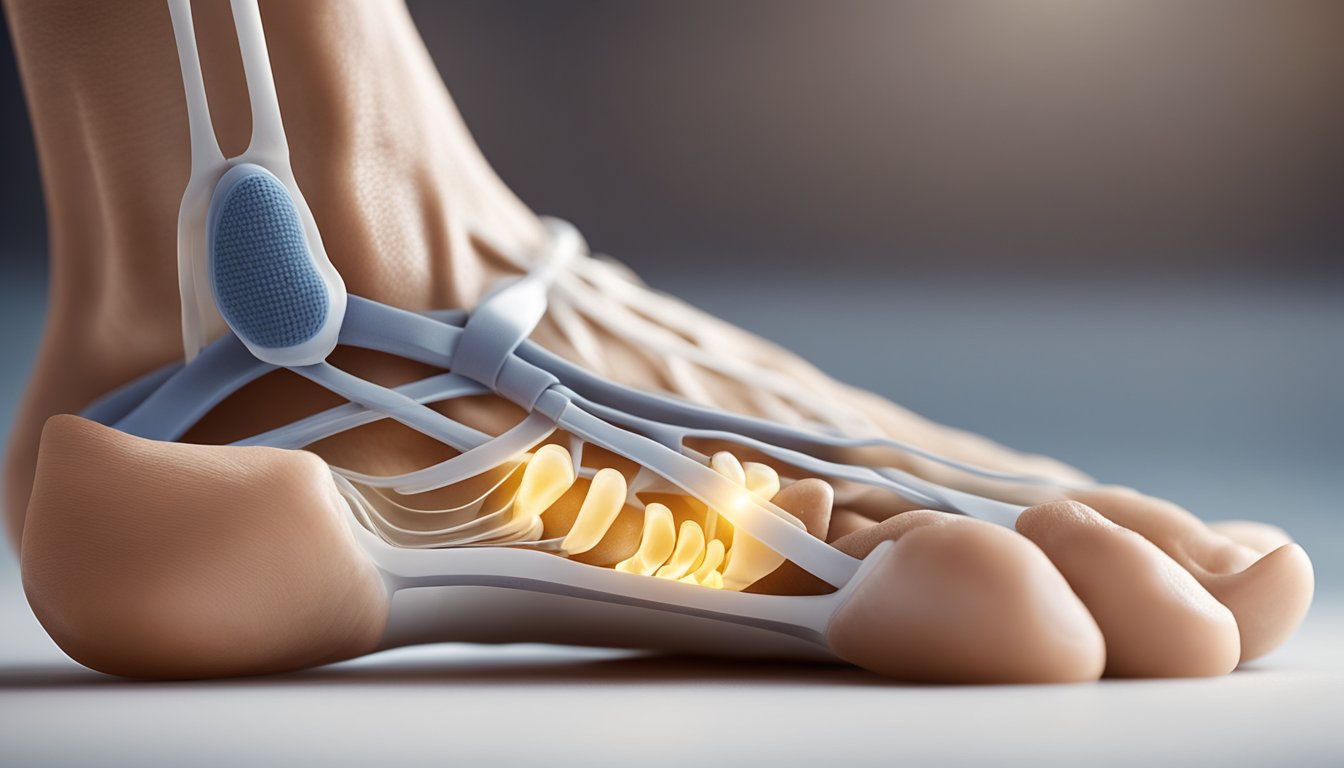
Plantar fasciitis is a common foot problem that causes heel pain. It is due to irritation of the plantar fascia, a band of tissue along the bottom of your foot. This tissue supports the arch and connects the heel bone to the toes.
Activities that put stress on your feet can lead to plantar fasciitis. People with flat or high arches, tight calf muscles, or those who wear unsupportive shoes are more likely to develop this condition.
Symptoms often include sharp pain upon taking the first steps in the morning or after sitting for a long time. This pain usually decreases with movement but might return after prolonged standing.
Rest and proper footwear are important for recovery. Many find relief through stretching exercises, orthotics, or physical therapy. It typically improves within nine to twelve months with nonsurgical treatment methods.
Plantar fasciitis affects about 1 in 10 people during their lifetime. Middle-aged individuals, especially obese women, and younger male athletes are commonly affected groups. Proper attention to foot care can help prevent and manage the discomfort and ensure better mobility and foot health.
3) Hammer Toe
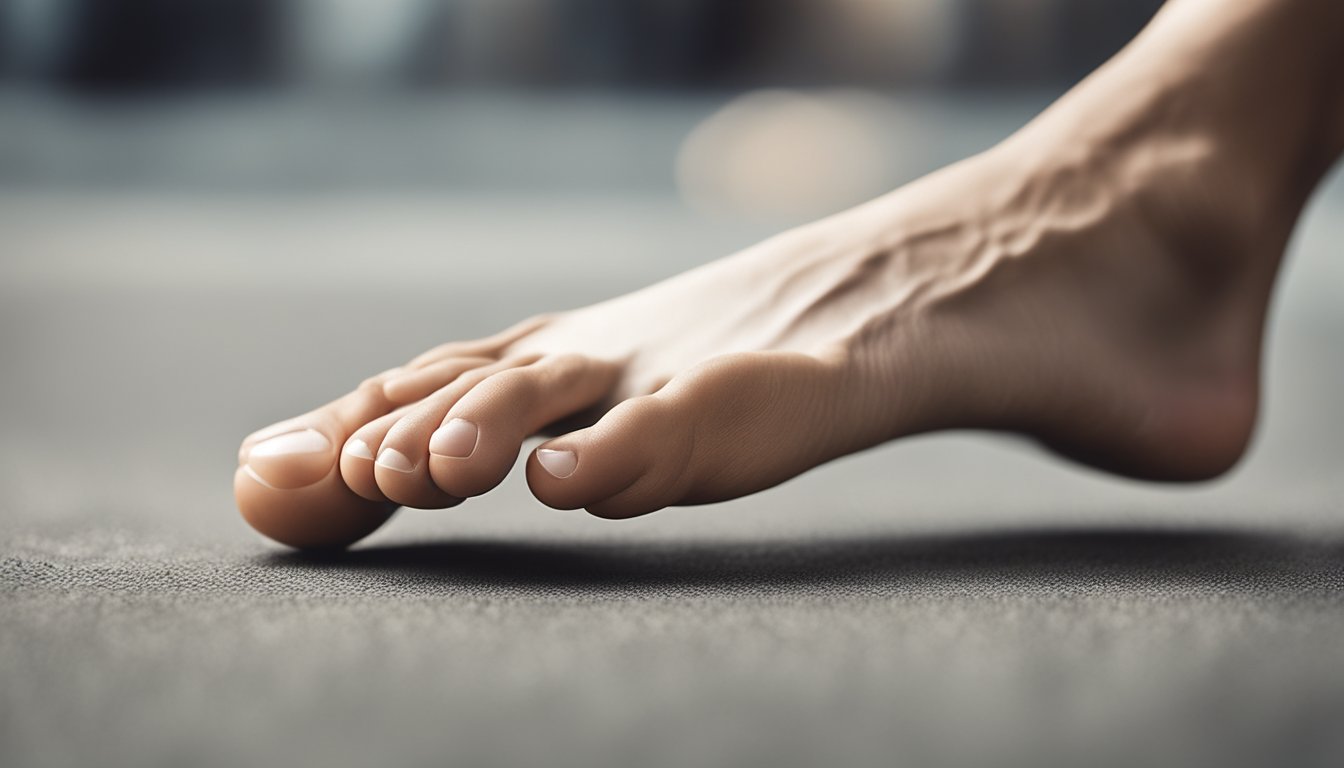
Hammer toe happens when there is a muscle imbalance in your foot. This imbalance can result in a bent position of one or more toe joints. Toe muscles work in pairs to move them. When this balance is disrupted, it can cause the toes to stay bent.
One common cause is wearing shoes that don’t fit well. Tight shoes can force toes into a bent position. Over time, the muscles and joints may tighten, making it difficult for them to stretch back out. Trauma or injuries to the toe can also lead to hammer toe.
If left untreated, the condition can become painful. Your toes might rub against your shoes, resulting in discomfort or calluses. In severe cases, toes may appear in an upside-down V shape, which is why the term “hammer toe” is used. For more details on what hammer toe looks like, you can consult this comprehensive guide.
To manage hammer toe, supportive footwear or custom orthotics can help. In some cases, you might need medical treatment or surgery to relieve the condition. It’s important to address symptoms early to prevent further complications.
4) Flatfeet

Flatfeet, also known as pes planus, is a common condition where the arch of the foot is lower than usual or absent. This results in almost the entire sole of your foot touching the ground. For many, flatfeet do not cause serious issues, but for others, they can lead to discomfort.
Your foot structure is incredibly complex, with 28 bones and 26 joints, among other components. When flatfeet occur, they can affect the alignment of your legs, potentially causing strain on your knees, hips, and lower back. Over time, this altered alignment may lead to pain and fatigue in these areas.
Research suggests that about 25% of the population has flatfeet. This condition can lead to other issues if muscular imbalances occur. You might notice fatigue in your legs and feet more quickly than others due to less effective arch support.
Flatfeet can also impact your level of stability and gait, making it important to discuss potential corrective measures with a healthcare provider. For more information on flatfeet and related problems, you can explore this resource.
Understanding Structural Foot Anatomy
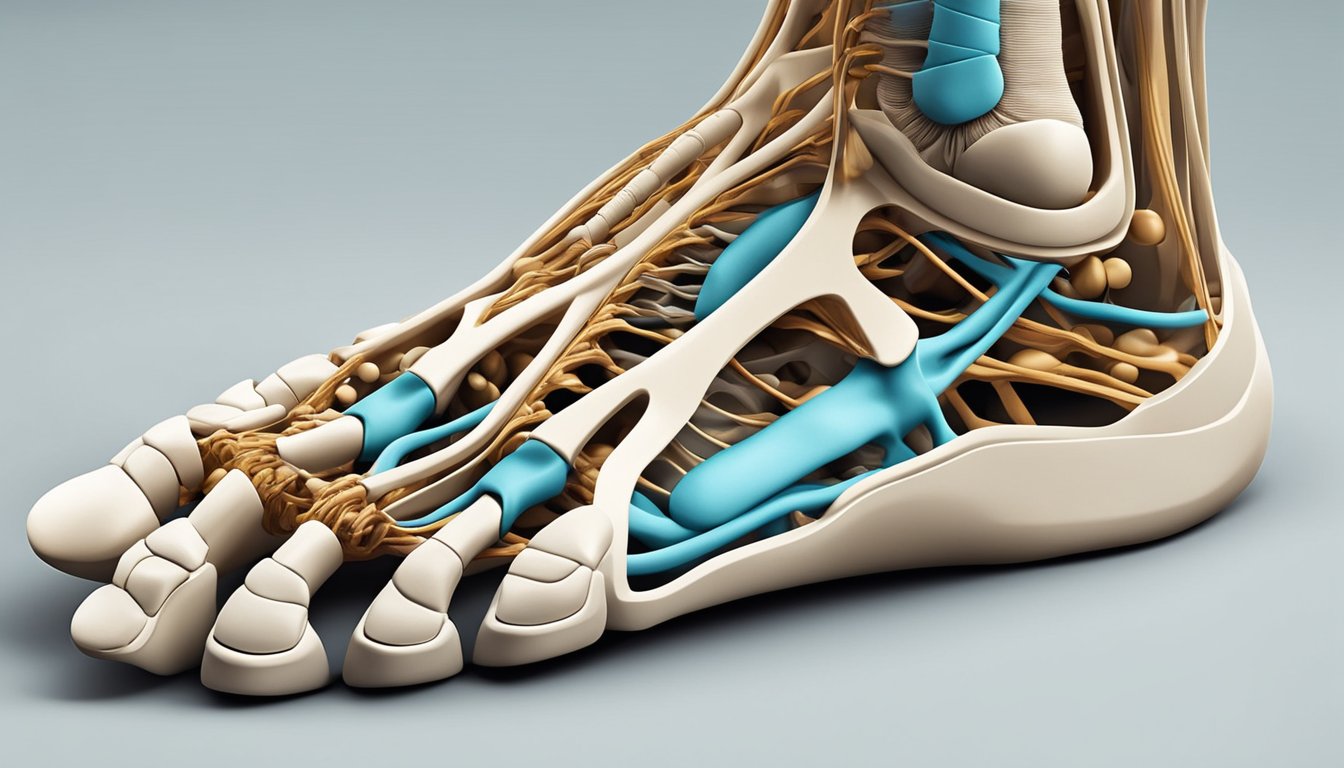
Understanding the structure of the foot is crucial to grasp the common issues related to it. The foot’s anatomy is made up of a complex system of bones, ligaments, muscles, and tendons. These components work together to support weight and enable movement.
Bones and Ligaments
The human foot contains 26 bones and forms 33 joints. These bones can be grouped into three main regions: the tarsals, metatarsals, and phalanges. The tarsal bones, found near the ankle, provide support and stability. The metatarsals extend from the arch to the toes, while the phalanges form the toes themselves.
Ligaments connect these bones, offering strength and stability. More than 100 ligaments exist in each foot. They help maintain the foot’s arches and prevent excessive movement that could cause injuries. Strong ligaments are crucial for maintaining foot integrity and avoiding structural problems.
Muscles and Tendons
The foot’s muscles and tendons are vital for movement and balance. The muscles are categorized into two groups: intrinsic and extrinsic. Intrinsic muscles are contained within the foot, aiding in fine motor skills like toe movement. Extrinsic muscles are located in the lower leg and control larger movements such as walking and running.
Tendons, which connect muscles to bones, play a key role in foot function. The Achilles tendon, which connects the calf muscle to the heel, is the thickest and strongest tendon in the foot, essential for activities like walking, running, and jumping. Proper muscle and tendon function is vital for maintaining balance and mobility.
Impact of Structural Problems on Mobility
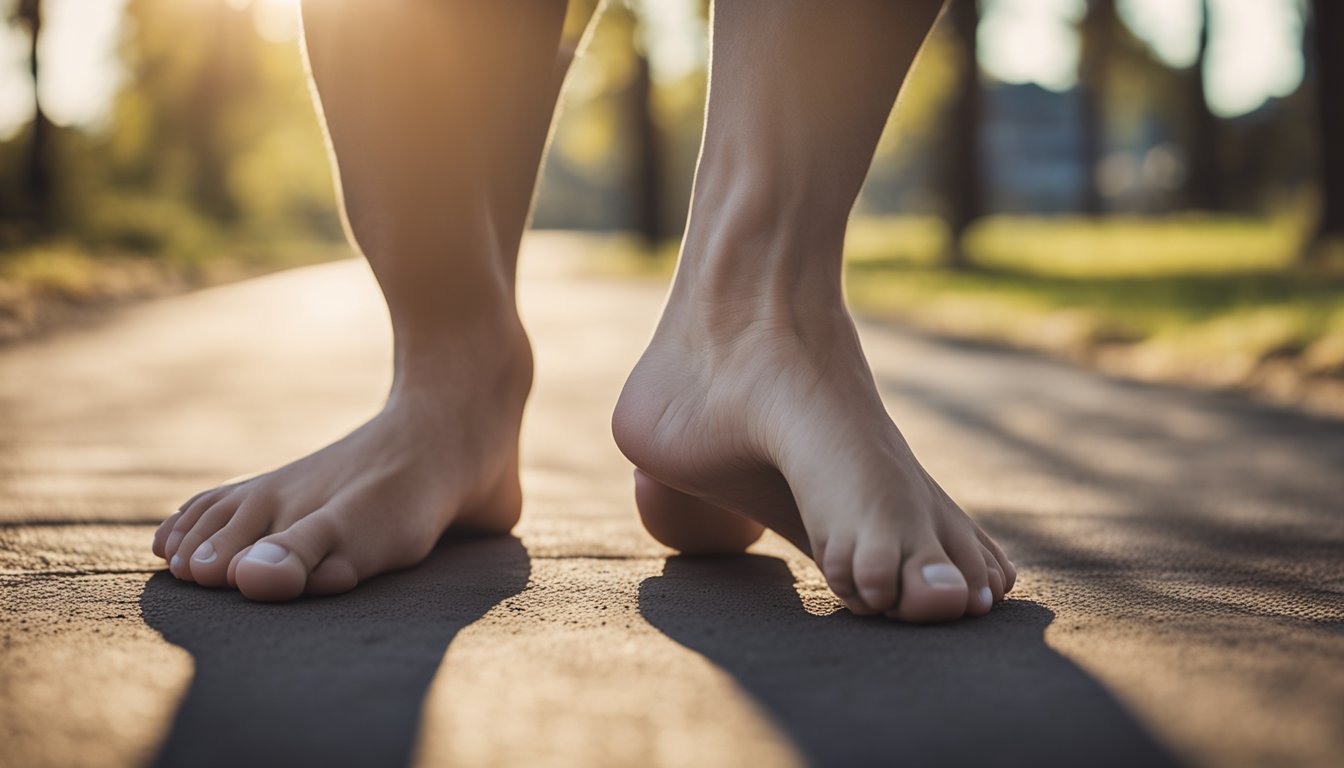
Structural issues in the human foot can significantly affect mobility. These problems can alter how you walk and lead to long-term health consequences. It is crucial to explore how these issues impact gait and balance, as well as the potential long-term health effects.
Gait and Balance
Structural problems in the foot can disrupt your normal walking pattern, known as gait. Common issues like flat feet or high arches can cause you to walk differently. This may lead you to put extra pressure on other body parts, including your knees and hips. You might notice an increase in difficulty maintaining balance, which raises the risk of falling.
Research has shown that poor foot mechanics can slow walking speed and make movements more laboured. This can impact your daily life, making even simple tasks challenging. If untreated, these gait changes may become permanent, affecting overall mobility and increasing pain.
Long-term Health Effects
Over time, foot problems can lead to more serious health issues.
Chronic foot pain can spread to the legs and back, affecting your range of motion.
Conditions like arthritis can develop or worsen because of persistent poor foot alignment.
This can result in limited mobility and reduced physical activity, impacting your quality of life.
Foot issues are often linked with increased fall risk, especially in older adults.
Falls can lead to fractures or other serious injuries.
Proper treatment and interventions, like using supportive footwear, can help reduce these risks.
Addressing foot structure issues early on is important for maintaining mobility and preventing future health complications.