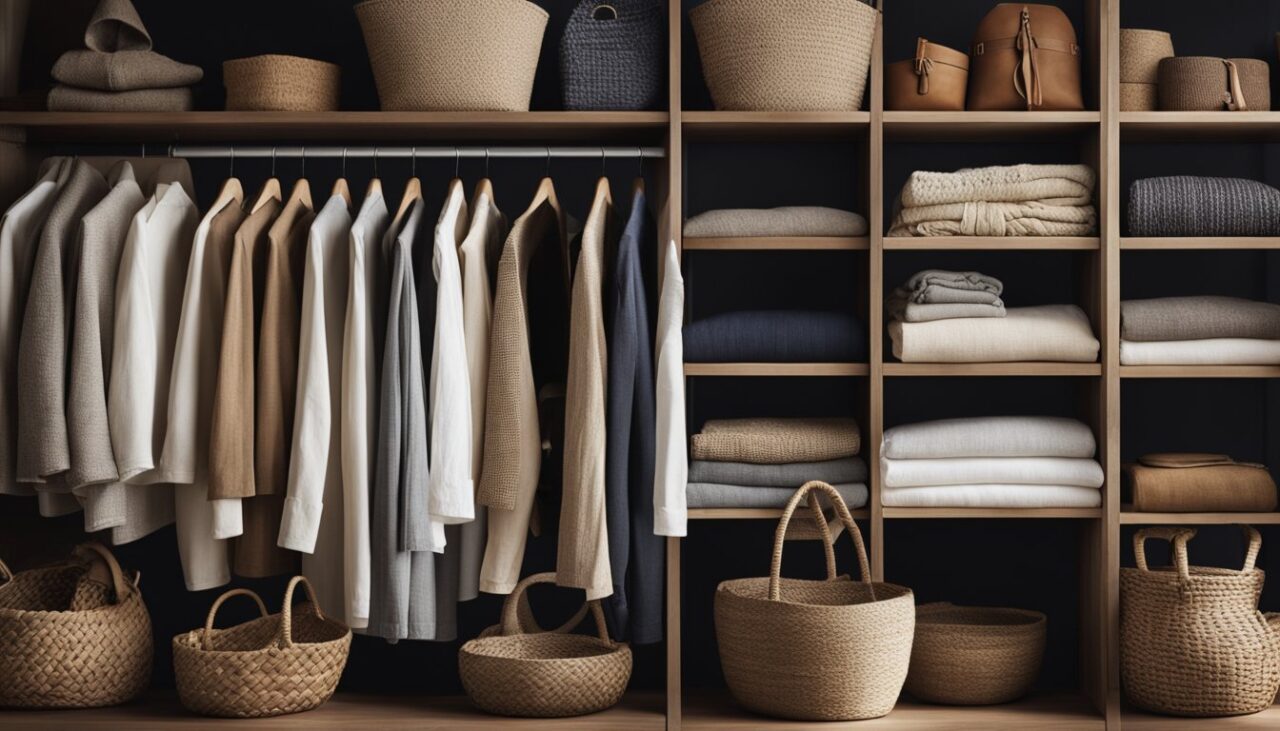
Organic Clothing: The Sustainable Fashion Revolution
Organic clothing offers a healthier choice for your wardrobe. These garments are made from natural fibers grown without harmful chemicals or pesticides.
Organic fabrics reduce your skin’s exposure to toxic substances that can be absorbed through regular clothing. This means fewer irritants and allergens coming into contact with your body.
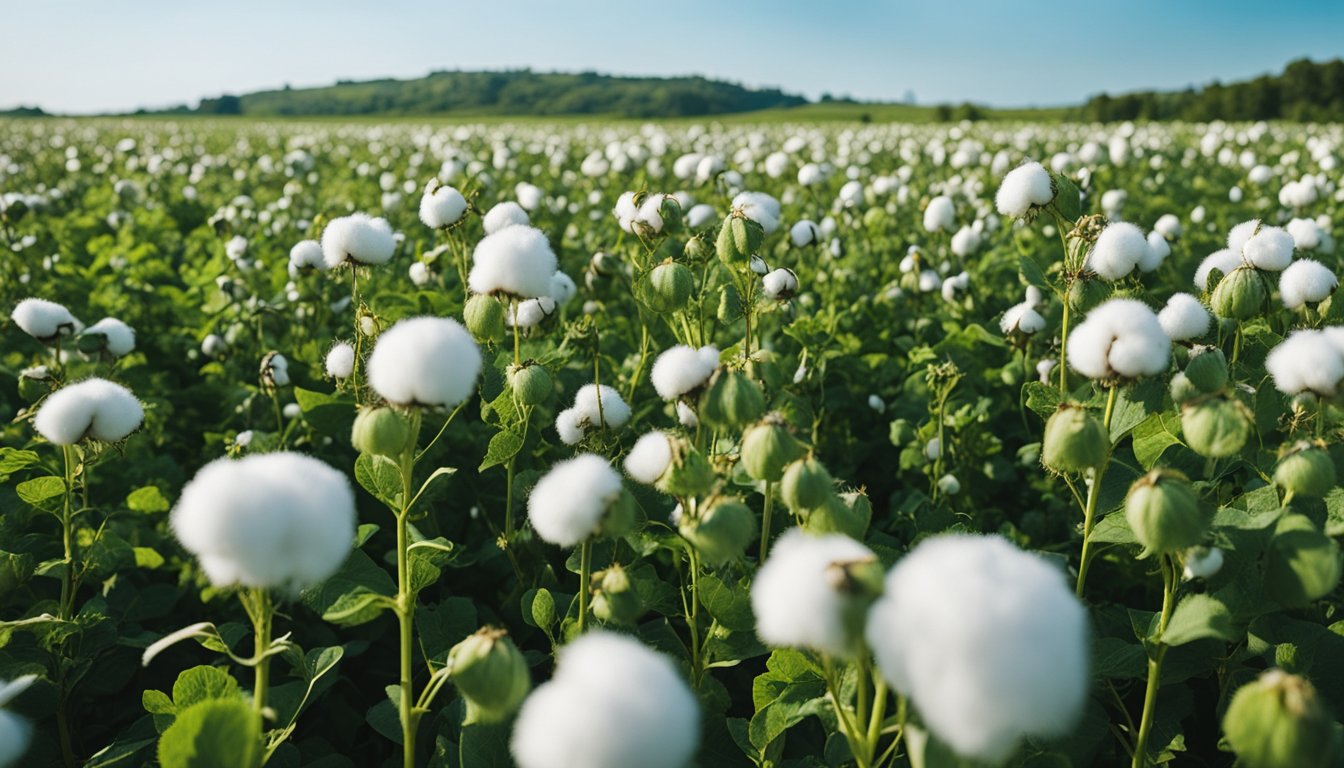
Choosing organic clothes can improve your comfort and well-being. The fabrics tend to be softer and more breathable than conventional options. You may notice less skin irritation and a decrease in allergy symptoms when wearing organic garments. Many people report feeling better overall after switching to an organic wardrobe.
Organic clothing comes in many styles to suit your needs. You can find everything from organic cotton basics to dressy options for work or special events. The variety allows you to build a complete wardrobe that aligns with your values of reducing toxin exposure. With proper care, these high-quality garments can last for years, providing long-term benefits for your health.
Understanding Organic Clothing Materials
Organic clothing materials are made from natural fibers grown without synthetic pesticides or fertilizers. These materials offer benefits for personal health by reducing exposure to harsh chemicals.
What Makes a Material Organic
Organic materials come from plants grown using natural methods. Farmers avoid synthetic pesticides, herbicides, and fertilizers. Instead, they use techniques like crop rotation and natural pest control.
Organic cotton is a popular choice. It’s grown from non-GMO seeds without harmful chemicals. The cotton is then processed without toxic bleaches or dyes.
Other organic fibers include hemp, linen, and wool. These are produced following strict guidelines to maintain their organic status.
Sustainable Fabrics and Natural Fibers
Natural fibers form the backbone of organic clothing. Common options include:
- Cotton
- Hemp
- Linen
- Wool
- Silk
These fibers are renewable and biodegradable. They’re also breathable and comfortable to wear.
Hemp is particularly versatile. It’s strong, durable, and requires less water to grow than cotton. Organic hemp fabric is soft and gets better with each wash.
Certifications and Standards
Certifications help you identify truly organic materials. Look for these labels when shopping:
- Global Organic Textile Standard (GOTS)
- Organic Content Standard (OCS)
- USDA Organic
These certifications ensure the fabric meets industry standards for organic production. They cover everything from farming practices to processing methods.
GOTS is the most comprehensive. It requires at least 95% certified organic fibers and restricts the use of certain chemicals and dyes.
Certified organic cotton must be grown from non-GMO seeds. The entire production process is monitored to maintain its organic status.
The Global Impact of Organic Apparel
Organic apparel affects manufacturing practices and consumer well-being worldwide. It focuses on reducing harmful chemicals in clothing production and wear. Let’s explore its key impacts.
Environmental Advantages
Organic clothing production uses natural fibers grown without synthetic pesticides or fertilizers. This approach leads to cleaner soil and water systems. Farmers avoid exposure to toxic chemicals, protecting their health.
Organic cotton requires less water than conventional cotton. It also supports biodiversity by not harming beneficial insects. The absence of synthetic chemicals means fewer toxins enter ecosystems.
Organic wool comes from sheep raised on organic pastures. These animals aren’t treated with harmful chemicals, resulting in cleaner fleece. This practice protects both animal and human health.
Ethical Considerations in Production
Fair wages and safe working conditions are central to organic apparel production. Many organic clothing brands work with the World Fair Trade Organization to ensure ethical standards.
Artisans often play a key role in organic clothing creation. Their skills are valued and preserved, supporting local craftsmanship. This approach helps maintain cultural traditions in textile production.
Transparency in the supply chain is another ethical focus. Brands often share information about their production processes. This openness helps consumers make informed choices about their clothing purchases.
Regenerative Practices and Pollution Reduction
Regenerative farming methods are gaining traction in organic fiber production. These practices aim to improve soil health and increase carbon sequestration. They can lead to more resilient farming systems.
Low-impact dyes are common in organic clothing production. These dyes reduce water pollution and are often safer for workers to handle. They also tend to be gentler on sensitive skin.
Organic clothing often uses less energy in production. This can lead to a smaller carbon footprint. Some brands are exploring renewable energy sources for their manufacturing processes.
Packaging for organic apparel often uses recycled or biodegradable materials. This choice further reduces waste in the clothing lifecycle. It’s part of a holistic approach to reducing pollution in the fashion industry.
Incorporating Organic Pieces into Your Wardrobe
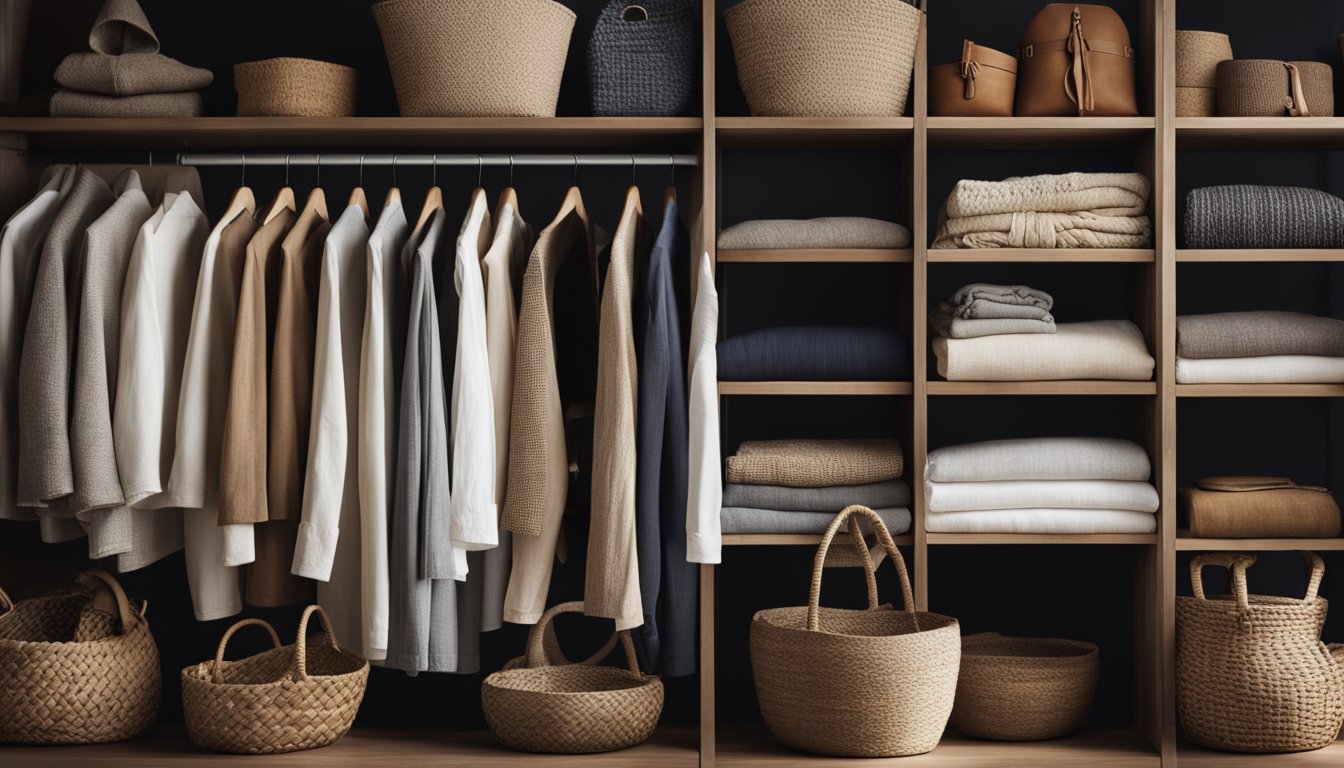
Adding organic clothing to your closet can help reduce toxins that come into contact with your skin. These pieces offer comfort and style while being free from harmful chemicals.
Essential Organic Clothing Items
Start with basic organic cotton items. Organic cotton t-shirts are versatile and easy to wear. Add organic pants, sweaters, and dresses to build a foundation.
Look for organic tops in different styles:
- Tank tops
- Long-sleeve shirts
- Button-down blouses
For bottoms, try:
- Jeans
- Leggings
- Skirts
Don’t forget undergarments and sleepwear. Organic cotton is soft and breathable, perfect for these items.
Styling with Sustainable Garments
Mix organic pieces with your existing wardrobe. Pair an organic cotton tee with your favorite jeans. Layer an organic sweater over a dress.
Try these combinations:
- Organic cotton shirt + non-organic blazer
- Organic pants + regular top
- Organic dress + your usual accessories
Experiment with textures. Organic cotton can be woven into various fabrics, from jersey to twill. This adds interest to your outfits.
Consider the fit. Organic clothes often have a relaxed, comfortable cut. Balance this with more structured non-organic pieces if desired.
Maintaining Organic Apparel
Care for your organic clothes properly to make them last. Always check the label for specific instructions.
General tips:
- Wash in cold water
- Use gentle, natural detergents
- Air dry when possible
Avoid harsh chemicals or bleach. These can damage the fabric and introduce toxins.
Store organic items in a cool, dry place. This helps prevent mold and mildew growth.
Repair small tears or loose buttons promptly. This extends the life of your organic garments.
Notable Brands and Their Contributions to Organic Fashion
Several clothing companies have made significant strides in producing toxin-free apparel. These brands prioritize using natural materials and safe production methods to create high-quality garments that are gentle on your skin.
Pioneering Sustainable Clothing Companies
Some clothing companies have led the way in creating toxin-free apparel. They use organic cotton and other natural fibers to make comfortable, durable clothes. These brands often work directly with farmers to ensure the cotton is grown without harmful chemicals.
Many focus on creating everyday basics like t-shirts, underwear, and socks. This allows them to perfect their production methods and offer affordable options. Some have expanded into other categories like dresses, activewear, and even bedding.
To verify their practices, these companies often seek third-party certifications. Look for labels like GOTS (Global Organic Textile Standard) when shopping.
Brand Ethics and B Corp Certification
Ethical production is a key focus for many organic clothing brands. They ensure fair wages and safe working conditions throughout their supply chains. Some have gone further by becoming certified B Corporations.
B Corp certification requires companies to meet high standards for social and environmental performance. This covers areas like worker treatment, community engagement, and transparency. For clothing brands, it often means using organic materials and paying fair wages to farmers and factory workers.
When shopping, you can look for the B Corp logo to find brands committed to these ethical standards. Many also publish detailed information about their factories and materials on their websites.
Exemplary Organic Collections
Some brands have created standout organic clothing lines that go beyond basic essentials. These collections often include trendy pieces made with innovative natural fabrics.
You might find dresses and jumpsuits made from Tencel, a fabric derived from wood pulp. Or sweaters knit from organic wool blended with recycled fibers. Some brands offer organic denim jeans or workout clothes made from bamboo fabric.
These collections prove that toxin-free clothing can be stylish and versatile. They often come in a range of colors achieved using low-impact dyes. Many brands also offer inclusive sizing to ensure their organic options are available to more people.
Accessibility of Organic Clothing: Price and Availability

Organic clothing is becoming more accessible and affordable for consumers. Let’s explore how you can find budget-friendly options and what the future holds for organic apparel in retail.
Finding Affordable Organic Options
You can easily find affordable organic clothing by shopping online. Many brands offer basic items like t-shirts, underwear, and socks at competitive prices.
Look for sales and clearance sections to score deals. Some retailers have loyalty programs or offer discounts for first-time buyers.
Consider buying secondhand organic clothing through online marketplaces or consignment shops. This can be a great way to get high-quality items at lower prices.
Organic Clothing for All Budgets
Organic apparel is available across various price points. Entry-level options include basic tees and undergarments starting around $15-$30.
Mid-range items like jeans, sweaters, and dresses typically cost $50-$150. Higher-end organic clothing can go up to $200+ for specialty items.
Here’s a quick price guide:
- Basic tees: $15-$30
- Jeans: $60-$120
- Dresses: $50-$150
- Outerwear: $100-$250
Remember, prices can vary based on brand and materials used.
The Future of Organic Clothing in Retail
The organic clothing market is growing rapidly. Experts predict it will reach $54.97 billion by 2028, with a compound annual growth rate of 9.7%.
You can expect to see more organic options in mainstream stores as demand increases. This growth may lead to lower prices due to economies of scale.
New technologies are also making organic fabric production more efficient. This could result in a wider variety of styles and more affordable options in the future.
Online-only brands are likely to continue offering competitive prices by cutting out middlemen and reducing overhead costs.
Frequently Asked Questions
Organic clothing has unique characteristics and benefits. Many people have questions about what makes it different from regular clothes.
What defines clothing as ‘organic’?
Organic clothing is made from fibers grown without synthetic pesticides or fertilizers. The fabric must be certified by an independent organization. Strict standards cover the entire production process.
What are the advantages of wearing organic clothing?
Organic clothes are softer and more durable. They contain no harsh chemicals that can irritate skin. The natural fibers allow your skin to breathe better.
How do organic clothing options differ for men, women, and babies?
Men’s organic options include casual shirts, pants, and underwear. Women have more variety with dresses, blouses, and intimates. Baby clothes focus on gentle fabrics for sensitive skin.
What are some reputable brands that specialize in organic apparel?
Many brands now offer organic clothing lines. Look for certifications like GOTS or Oeko-Tex on the label. These ensure the clothes meet organic standards.
Why does organic clothing typically have a higher price point?
Organic farming yields less crop per acre. The certification process adds costs. Small-scale production is also more expensive than mass manufacturing.
How do I verify that clothing is made from 100% organic cotton?
Check for official organic certifications on the tag or website. Organic cotton clothing should state the percentage used. Ask the seller for documentation if you’re unsure.