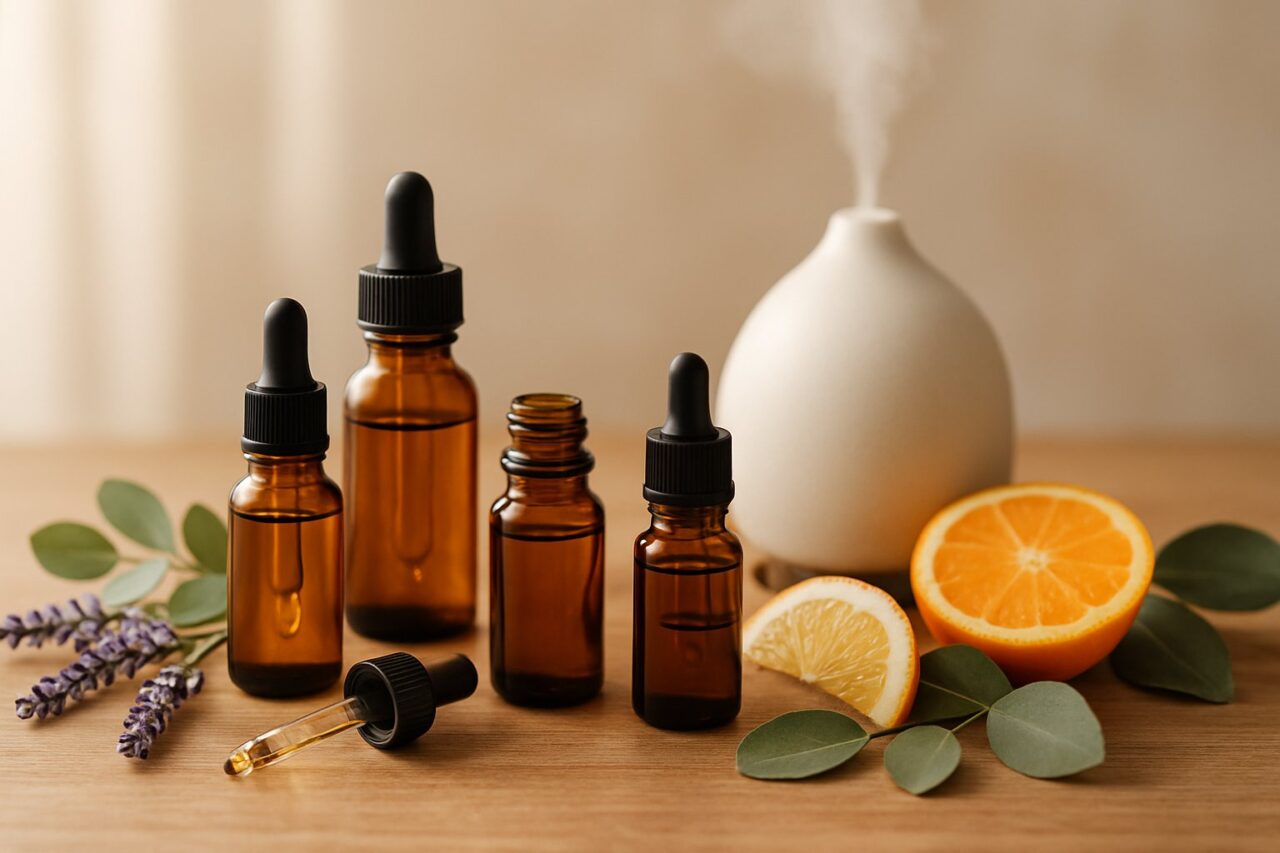
Essential Oil Secrets That Transform Your Daily Wellness Routine
Essential oils have gained widespread popularity as natural alternatives for health and wellness needs. These concentrated plant extracts offer powerful benefits that many people don’t fully understand or utilize effectively.
Learning the hidden properties and proper application methods of essential oils can transform how people approach common health concerns like skin irritations, headaches, respiratory issues, and focus problems. From understanding which oils work best for specific conditions to knowing the critical importance of proper dilution techniques, these insights help users maximize the therapeutic potential of their essential oil collection while avoiding common mistakes that can lead to skin irritation or reduced effectiveness.
1) Lavender oil accelerates healing of minor burns and soothes skin irritations
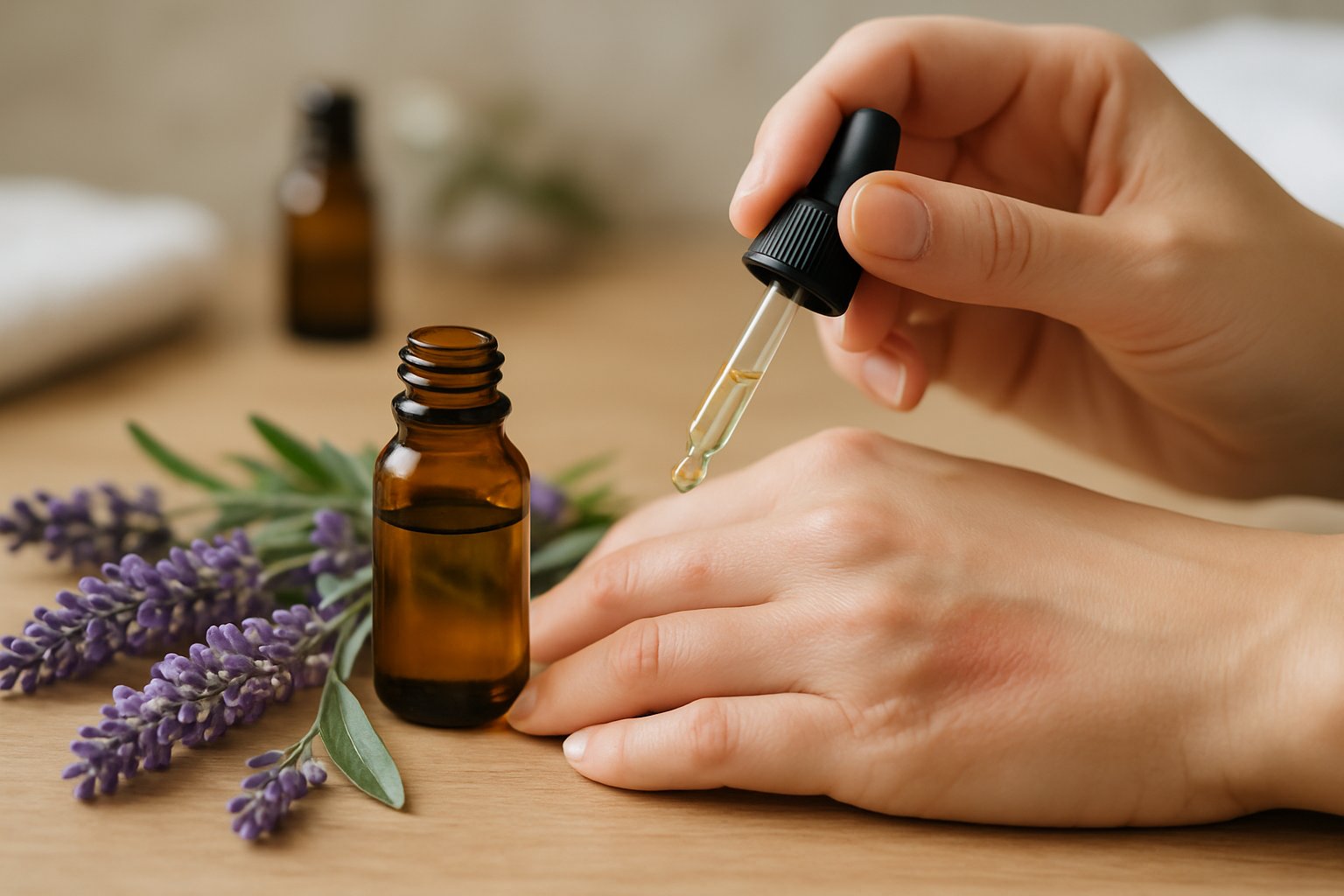
Lavender essential oil has earned recognition for its ability to treat minor burns and calm irritated skin. The oil contains natural compounds that reduce inflammation and provide pain relief when applied to damaged skin.
When someone suffers a minor burn, lavender oil can help speed up the healing process. Scientific studies explore its potential benefits for skin repair and regeneration.
The oil works by naturally reducing swelling and cleaning the skin’s surface. This dual action helps create better conditions for the body’s natural healing mechanisms to work effectively.
However, the scientific evidence remains limited. While lavender oil has a long history of being used to treat burns, researchers note there isn’t strong scientific proof that it works better than conventional treatments.
For skin irritations like minor cuts or scrapes, lavender oil offers gentle relief. The oil’s anti-inflammatory properties help reduce redness and discomfort without harsh chemicals.
Always dilute lavender oil with a carrier oil before applying it to skin. Never use essential oils on severe burns or deep wounds, which require immediate medical attention.
2) Peppermint oil can relieve headaches and improve focus through aromatherapy
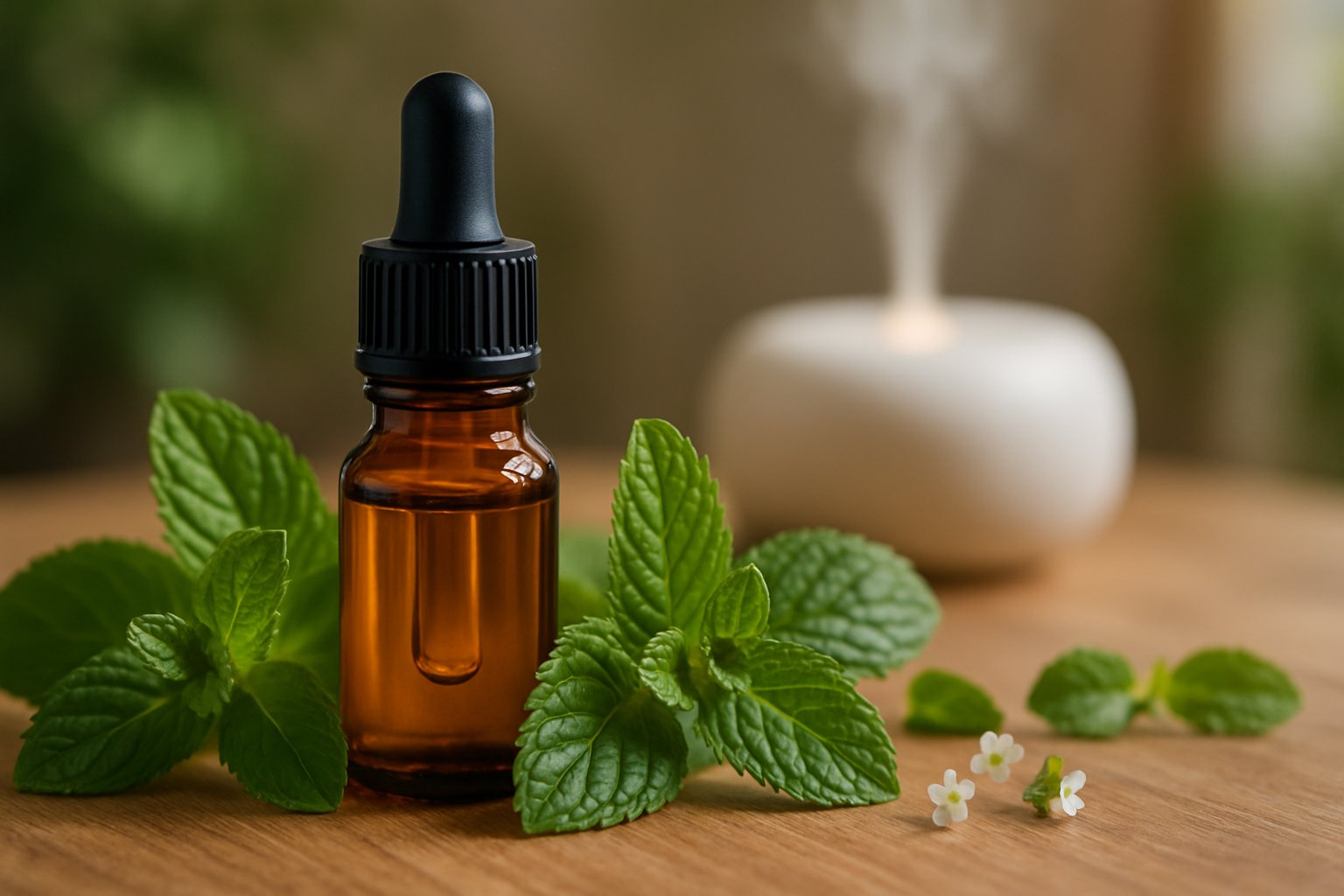
Peppermint oil contains menthol, which helps relax muscles and ease headache pain. Research shows it works as well as over-the-counter pain medication for tension headaches.
The cooling properties of peppermint oil make it effective for headache relief. When applied topically or inhaled, the menthol creates a soothing sensation that reduces pain.
Aromatherapy with peppermint oil also enhances mental clarity and focus. The refreshing scent stimulates the mind and increases alertness.
People can use peppermint oil by adding a few drops to a diffuser or inhaling it directly from the bottle. Diluting the oil and applying it to temples provides targeted headache relief.
The minty aroma works quickly to clear breathing and boost mental alertness. This makes it useful during work or study sessions when concentration is important.
Steam-distilled peppermint oil provides the most therapeutic benefits. Users should choose pure, organic oils without synthetic additives for best results.
3) Tea tree oil is effective for acne treatment due to its antibacterial properties
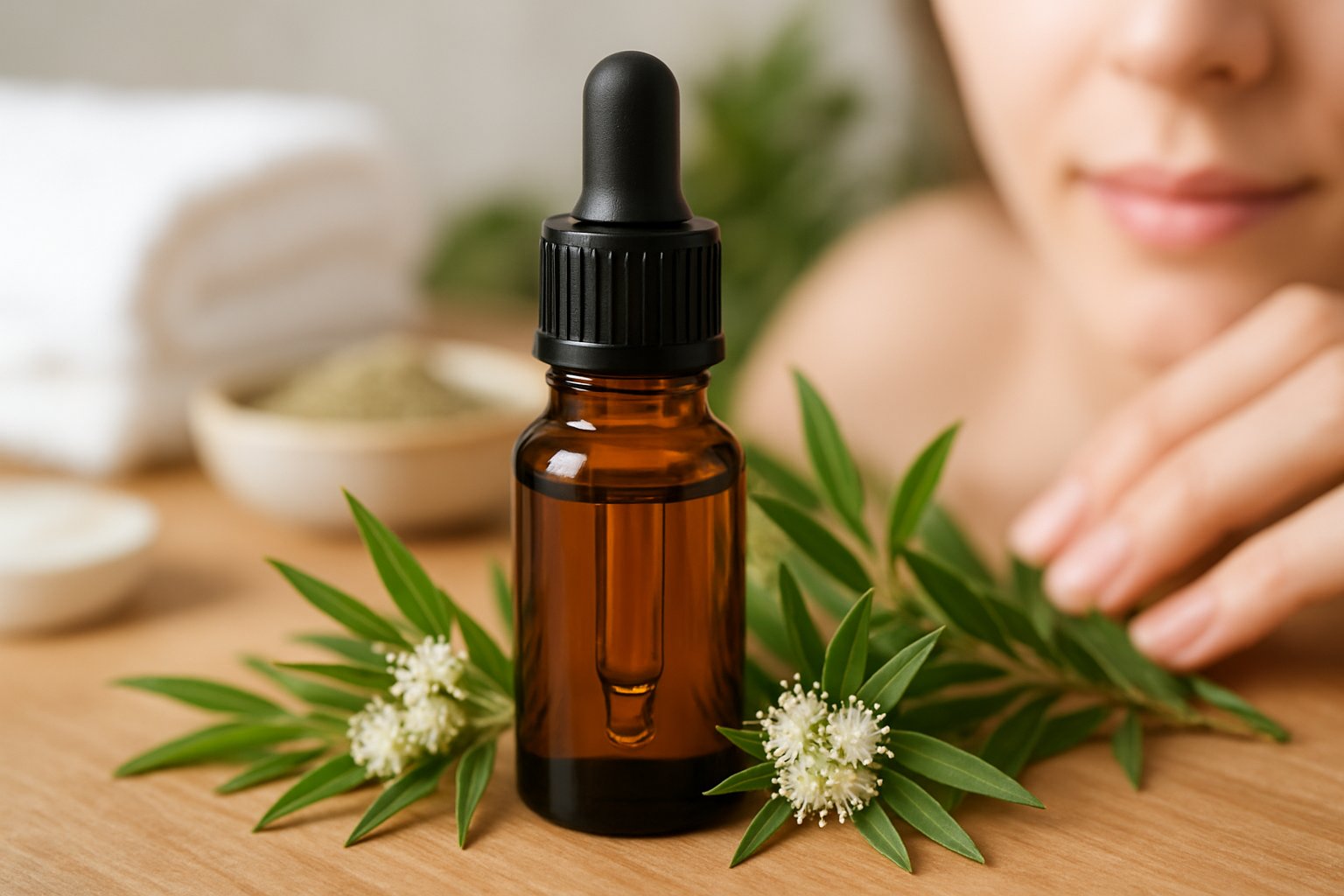
Tea tree oil contains powerful compounds that fight the bacteria responsible for acne breakouts. The oil targets Cutibacterium acnes, which is the main bacteria that causes pimples and inflammation.
Research shows that tea tree oil possesses antimicrobial properties that work against acne-causing bacteria. The oil’s natural antibacterial effects help reduce the number of harmful microorganisms on the skin.
Studies indicate that tea tree oil can effectively reduce acne lesions when used at proper concentrations. Research suggests it may help reduce mild acne by targeting bacteria and decreasing inflammation.
The oil works by penetrating the skin and disrupting bacterial cell walls. This action prevents bacteria from multiplying and spreading to other areas of the face.
Tea tree oil offers a gentler alternative to harsh chemical treatments. It reduces lesion counts effectively while causing fewer side effects than many traditional acne medications when used correctly at appropriate dilutions.
The antibacterial properties make tea tree oil particularly effective for treating inflammatory acne types that involve bacterial infection.
4) Eucalyptus oil aids respiratory health by clearing nasal passages when inhaled
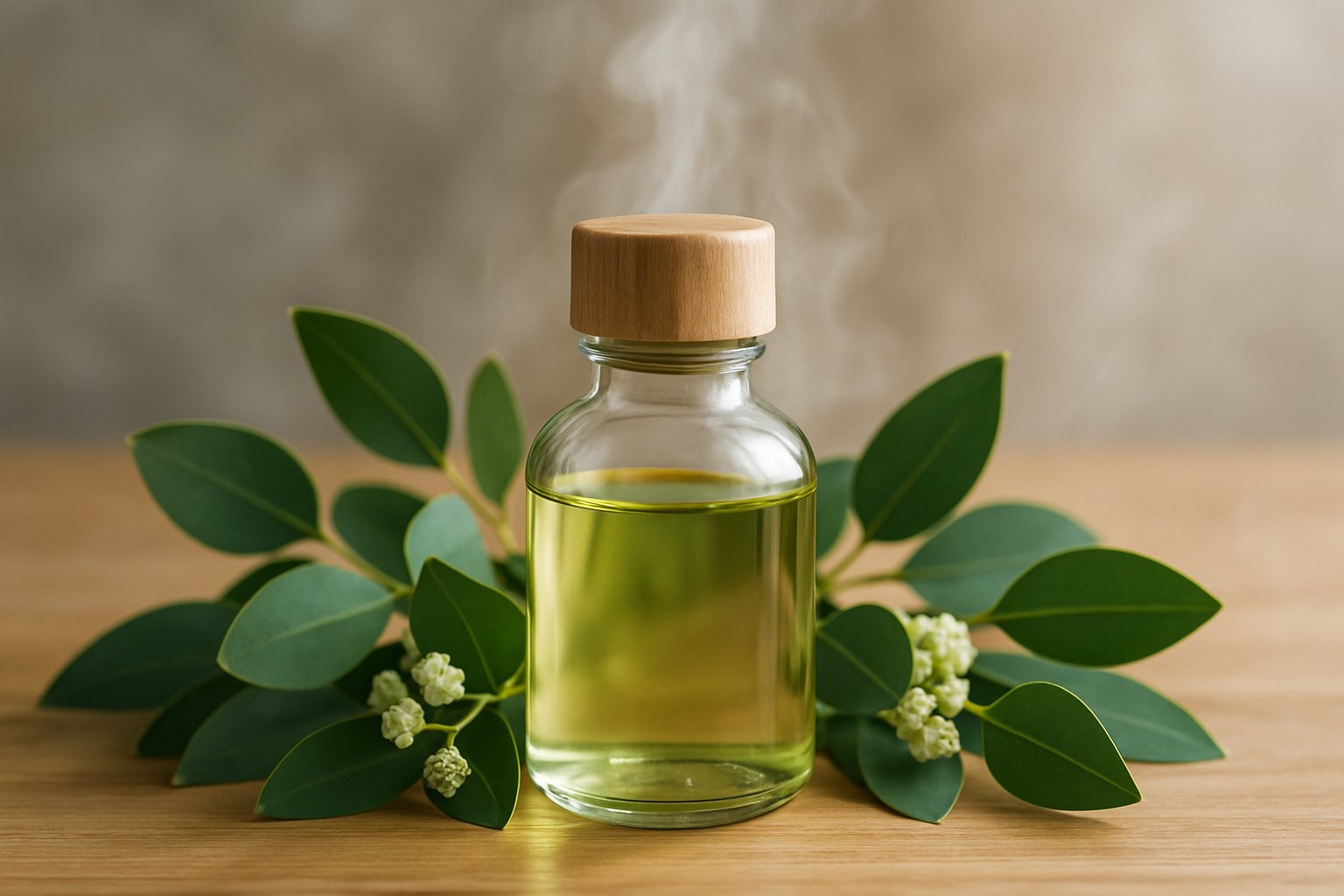
Eucalyptus oil works as a natural decongestant when people breathe in its vapors. The oil contains compounds that help open blocked airways and reduce swelling in nasal tissues.
When inhaled through steam, eucalyptus oil vapors travel deep into the nasal cavities. This process helps break down thick mucus that blocks breathing passages.
The oil provides relief from multiple respiratory problems. It helps people with colds, sinus infections, and seasonal allergies breathe more easily.
Steam inhalation offers the most direct benefits. People can add three drops of eucalyptus oil to a bowl of hot water and inhale the steam with a towel over their head.
Diffusing eucalyptus oil also clears nasal passages throughout a room. This method requires four to five drops in a standard diffuser.
The cooling sensation from eucalyptus soothes irritated nasal tissues beyond just clearing congestion. This dual action makes breathing feel more comfortable during illness.
Eucalyptus oil contains antibacterial properties that may help fight respiratory infections. These natural compounds work alongside the decongestant effects to support overall respiratory health.
5) Diluting essential oils with carrier oils is essential to prevent skin irritation
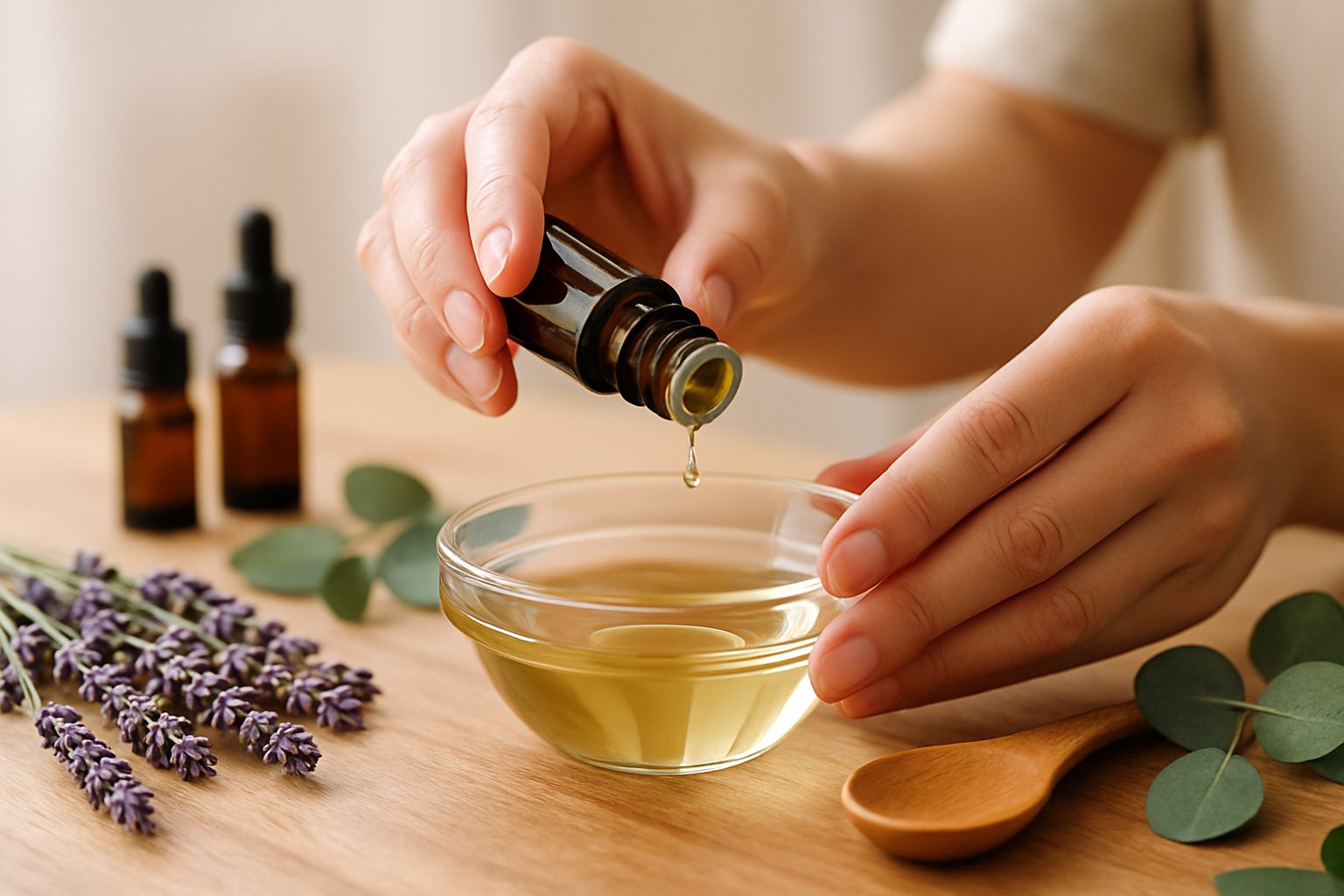
Essential oils are highly concentrated plant extracts that can cause serious skin reactions when applied directly. Pure essential oils can irritate even healthy skin because of their potent chemical compounds.
Carrier oils provide the perfect solution for safe application. These vegetable oils dilute the essential oils while allowing the skin to absorb their benefits slowly and safely.
Most experts recommend dilution ratios between 1-3% for safe use. This means adding just a few drops of essential oil to a tablespoon of carrier oil.
Popular carrier oils include coconut oil, sweet almond oil, and jojoba oil. These oils are gentle and rarely cause reactions on their own.
Proper dilution reduces the risk of skin sensitization and adverse reactions. It also helps essential oils spread evenly across the skin for better absorption.
People who skip dilution often experience burning, redness, or rashes. These reactions can create long-term sensitivity to certain oils, making future use impossible.
Understanding Essential Oils
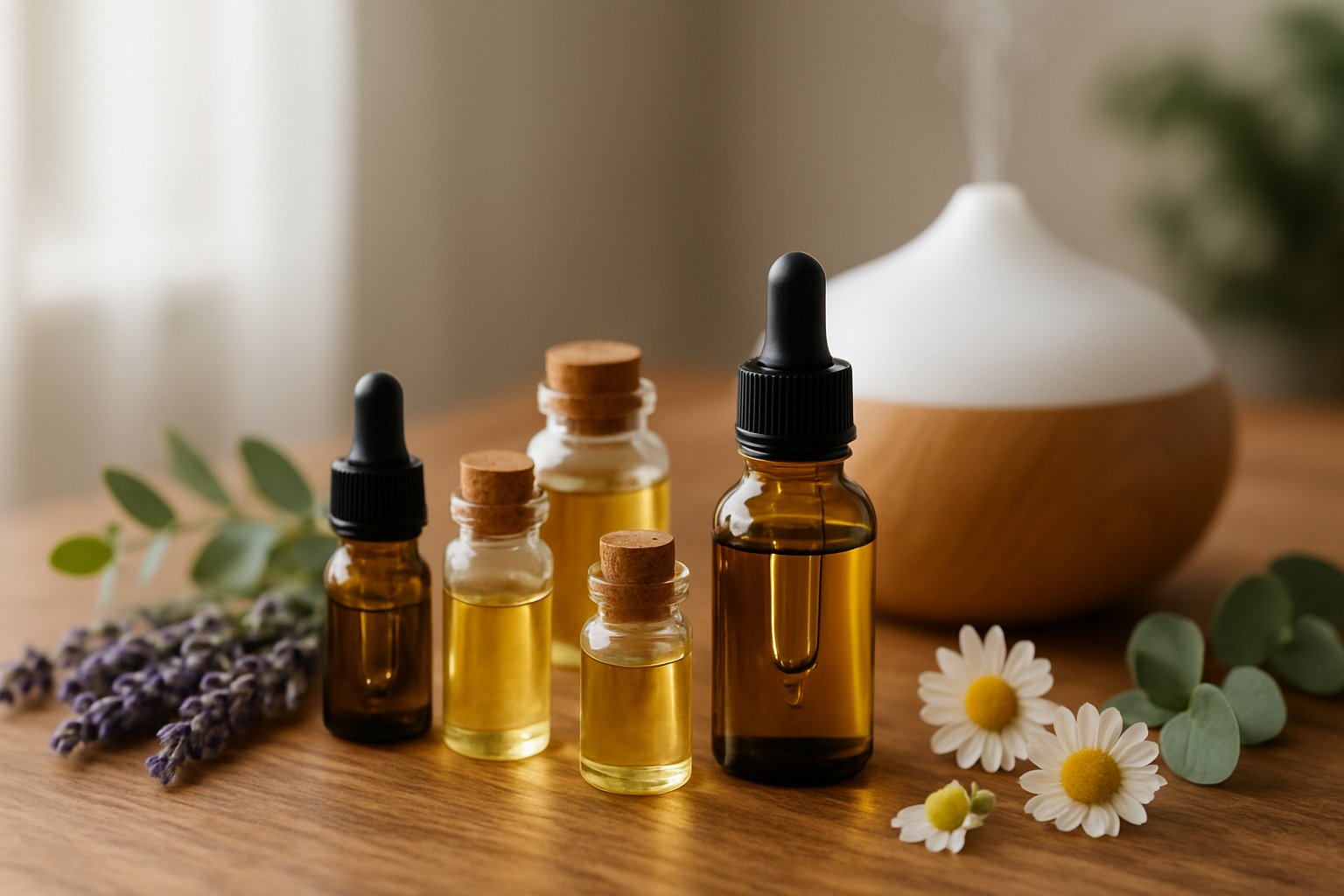
Essential oils are concentrated plant extracts that capture specific aromatic compounds through various extraction methods. The science behind how these oils interact with the human body involves complex pathways that affect both physical and emotional responses.
How Essential Oils Are Made
Essential oils are concentrated substances derived from plants through several specialized extraction processes. Each method preserves different qualities of the original plant material.
Steam Distillation is the most common extraction method. Plant materials are placed in a distillation chamber where steam passes through them. The steam carries volatile compounds upward into a cooling system where it condenses back into liquid form.
Cold Pressing works primarily for citrus oils. Machines mechanically press the peels to release oils from tiny sacs in the fruit skin. This method produces oils with bright, fresh scents that closely match the original fruit.
Solvent Extraction uses chemical solvents to pull oils from delicate flowers like jasmine or rose. The solvent dissolves the aromatic compounds, then evaporates, leaving behind a concentrated extract.
Different extraction methods affect oil quality and therapeutic properties. Steam distillation typically yields the purest oils. Cold pressing maintains the most natural aroma profiles. Solvent extraction can capture compounds that other methods miss.
The Science Behind Aromatherapy
The science of aromatherapy involves the limbic system and specific neural pathways that create measurable responses in the body. When people inhale essential oil molecules, they travel through the nose to the olfactory bulb.
The olfactory bulb connects directly to the limbic system. This brain region controls emotions, memory formation, and hormone release. Different oil compounds trigger specific responses in these areas.
Linalool, found in lavender, activates GABA receptors that promote relaxation. Studies show it can reduce cortisol levels by up to 23% within 30 minutes of inhalation.
Limonene from citrus oils stimulates dopamine production. Research indicates it can improve mood scores on standardized tests by 15-20% compared to control groups.
The molecules also enter the bloodstream through lung tissue. Once in circulation, they can interact with various body systems. Some compounds cross the blood-brain barrier and directly influence neurotransmitter activity.
Essential oils have gained recognition as complementary therapies for conditions including anxiety, pain management, and sleep disorders through these documented biological mechanisms.
Using Essential Oils Safely
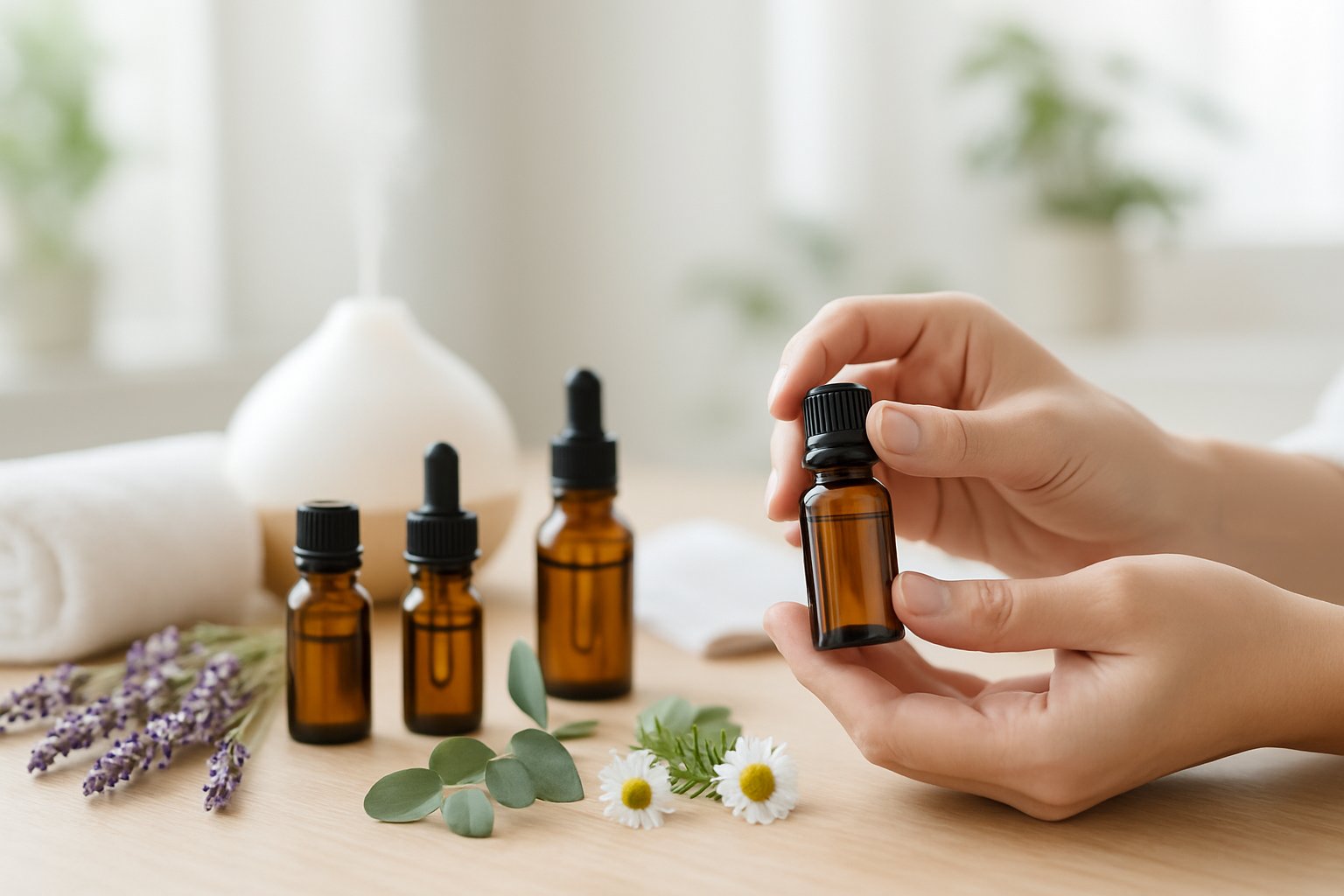
Essential oils require proper dilution with carrier oils to prevent skin irritation, and users should watch for allergic reactions that can range from mild redness to severe respiratory issues.
Dilution Guidelines
Essential oils are highly concentrated plant extracts that must be diluted before skin application. Most essential oils should be diluted to 1-2% for adults, which equals 6-12 drops per ounce of carrier oil.
Popular carrier oils include coconut oil, jojoba oil, and sweet almond oil. These oils help essential oils spread evenly and reduce the risk of skin irritation.
Children require even more dilution. Use a 0.5% dilution for kids ages 2-6, and 1% for children ages 6-12. This means only 3-6 drops per ounce of carrier oil.
Facial applications need the lowest concentrations. A 0.5-1% dilution works best for face products to prevent irritation on sensitive skin.
Some oils like cinnamon and oregano are particularly potent. These hot oils require extra caution and should never exceed 0.5% dilution.
Never apply undiluted essential oils directly to skin. This practice, called “neat” application, can cause chemical burns and permanent sensitization.
Potential Side Effects and Allergies
Essential oil reactions can range from mild skin irritation to severe allergic responses. Common side effects include redness, itching, burning sensations, and rashes at application sites.
Respiratory issues may occur with certain oils or excessive inhalation. Some people experience headaches, nausea, or dizziness when exposed to strong concentrations.
Patch testing helps identify allergies before full use. Apply a small amount of diluted oil to the inner forearm and wait 24 hours to check for reactions.
Pregnant women face additional risks. Oils like rosemary, sage, and wintergreen can cause complications during pregnancy and should be avoided completely.
Pets are extremely sensitive to essential oils. Cats cannot process many oils through their liver, making exposure potentially fatal. Dogs can also experience toxicity from oils like tea tree and eucalyptus.
Photosensitive oils like bergamot and lemon increase sun sensitivity. These oils can cause severe burns when skin is exposed to UV light within 12-24 hours of application.